

Take Stock In Housing Market Watchers Rewarding Scarcity

Time to read [7 minutes]
Takeways
NIMBY opposition and zoning block multifamily and affordable projects, driving up housing costs.
Investor-driven builder restraint incentivizes stock buybacks and low production over new supply.
Structural scarcity creation: The alignment of NIMBYism, restrictive land-use policies, and investor pressures produces a systemic drag on housing supply, ensuring persistent scarcity and worsening affordability.
We’re in a moment shouting “build more housing,” lamenting an affordability crisis, but there are significant market forces that didn’t get the memo. The “not in my back yard” (NIMBY) movement continues to make it more challenging to build. A supertall building is going to be built on the West Side of Manhattan by Extell, bypassing community approval. Fascinating. Back in 2000, I was arguably a NIMBY as an elected government official (legislative role) in my small Connecticut town, and I got to see how the sausage was made. The town had a landfill that was the one remaining large green space, and many of our citizens wanted to build a larger YMCA facility. However, AvalonBay Communities (Avalon) wished to build approximately 200 apartments on the site. I was concerned about the quality of their appraisal, which the town relied on, and met with the mayor to discuss it. My other concern was Avalon’s seemingly low projection for the number of additional students added to the school system. Avalon has expertise in developing small towns dominated by single-family zoning and building large rental communities. They attended all the town’s public meetings and set up several video cameras, which was very intimidating to the public. They recorded the speakers and ended up suing several of them, including a friend of mine. I don’t have direct knowledge of the details, but the town found that soil tests on the site were constantly being sabotaged. Avalon ultimately won and built the rental development, which reportedly was the first housing development in Connecticut to be constructed on a former dump site. In addition NIMBY forces, stock investors are currently rewarding publicly traded builders who are cutting back to “build less housing.”
Impact Of NIMBYism On Housing Supply
NIMBY attitudes commonly leave many communities without much-needed housing, deepening existing shortages and driving up housing costs across the United States.
Even though polls show most Americans favor policies that promote building more homes, support drastically drops when developments are proposed in their own neighborhoods. This reaction reflects a widespread local resistance (often termed NIMBYism—”Not In My Backyard”) despite a national consensus on the need for new housing.
NIMBYism thrives on and perpetuates exclusionary land use regulations, such as single-family zoning and excessive parking minimums, which slow down or outright prevent the construction of diverse housing types. These persistent delays and outright denials exacerbate affordability challenges, drive up prices, and contribute to greater socioeconomic segregation by limiting access to desirable areas.
Efforts to counteract NIMBY resistance typically involve relaxing zoning codes, reforming complex approval processes, and advocating for the broader community benefits of an increased housing supply. However, implementing these changes is often a slow and contentious process.
Stock Investors Who Reward Builders Not To Build
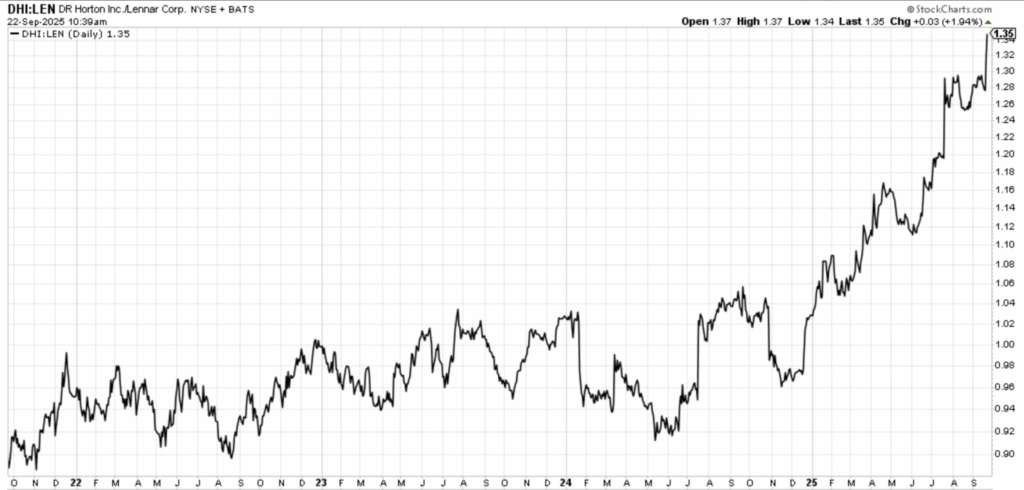
Large public home builders are under constant pressure from Wall Street to maximize earnings, which often means they are rewarded for financial strategies such as stock buybacks or maintaining low inventories, rather than pursuing aggressive housing production.
High construction costs, regulatory hurdles, and the threat of overbuilding leading to price declines prompt builders to exercise restraint. This dynamic is especially pronounced during times of economic uncertainty or elevated material costs, when investors prefer companies to protect margins over taking risks on unsold inventory.
Investors—including private equity and institutional stockholders—may prefer that builders hoard land or slow-walk development, betting that rising home prices and ongoing scarcity will generate better returns than increasing construction. Builders with more inventory may also sell a portion in bulk to investor groups managing single-family rental portfolios, taking homes off the for-sale market and reducing owner-occupant options.
This incentive structure has led to policy proposals in places like New York State to disincentivize institutional investors from accumulating housing stock—such as proposed waiting periods for large investors or new limits on tax advantages—hoping to level the playing field for individual buyers and increase housing production. If left unchecked, the alignment of builder and investor interests to maximally profit from scarcity can become a structural drag on the creation of new housing supply, worsening affordability and availability issues.
The Finished Avalon Project
To illustrate the wealth in a community where many of my neighbors hailed from Wall Street and the pushback of bringing in more affordable housing into my town, many of my friends in town would sign a one-year lease at Avalon while they were gut-renovating their homes. Ah. This was an added benefit that no one thought of, which had nothing to do with affordability.
Final Thoughts
The stock market’s reward system for home builders often favors strategies that restrict new construction. This environment encourages buybacks, tight inventory, and increased institutional investor dominance in the housing market—reinforcing scarcity and keeping prices high instead of addressing the growing need for new homes.
NIMBYism keeps housing prices higher as existing owners work to protect their own homes, which are usually single family, thereby preventing residents from entering homeownership. There are a few reported cases of eliminating single family zoning in downtown areas to improve housing density.
The Actual Final Thought – IMHO, the introduction of cowbell in this song became a necessary component of rock music.

Recent Presentations
The Core Truth Podcast w/ Peter Hernandez
This morning I did a interview with Peter Hernandez on his The Core Truth podcast this morning and I thought you’d be interested. The episode “Jonathan Miller on Compass Acquiring Anywhere” was a good discussion about my post on Housing Notes and beyond: Compass Paid Double Nickels On The Dime For Anywhere. Peter is so good at getting the heart of any matter.

Boroughs & Burbs Podcast
I had a terrific conversation with Roberto and John last week on the state of housing. They asked good questions and I tried to convey my answers with as much clarity as I could in a market that is really confusing for consumers. And from the listener count on their Youtube channel, the conversation seemed to resonate with their audience. Click on the link above or the image below to replay the broadcast.

Upcoming Presentations
• September 29 / In-Person ========================================
HGAR’s IMPACT: The Member Experience

I’m excited to speak at IMPACT: The HGAR Member Experience on September 29. I’ll be joining real estate professionals from across the region to explore what’s next in the housing market, economic opportunities and building community. Join me and be part of the conversation that’s shaping what’s next. Learn more and register.
Did you miss the previous Housing Notes?

September 24, 2025
Casinos Aren’t The Holy Grail Developers Seem To Think They Are
Image: Wiki